A Review Of The Kodak Snapic A1 35mm Film Camera
The creative advantage of these mechanical constraints however, is that you're left with a shooting experience completely free from the distractions of technological paralysis.

Decaf Journal is reader-supported. When you buy links through our site, we may earn an affiliate commission.
Believe it or not, it's been two years since I reviewed the Kodak Ektar H35 half frame film camera. Its charming design had a ton of potential as the perfect gateway camera for those interested in trying film photography, and I really wanted to love it as it filled an obvious gap in the market for a new and affordable film camera. But between the severe "shutter shock" camera shake issues and the lower quality half frame format, I was left with the feeling that the legendary photography company had missed the mark, if only just barely.
So when Kodak announced the Snapic A1 film camera in late 2025, I was intrigued by their decision to utilize the full 35mm format this time along with a refined design that appeared to be even more desirable than its predecessor. Hoping for the best, I immediately preordered it without a trace of hesitation. I've had the camera in my possession for nearly five months now, but given the importance of its release for the film community at large, I didn't want to hastily come to any conclusions before giving it my full and undivided attention.
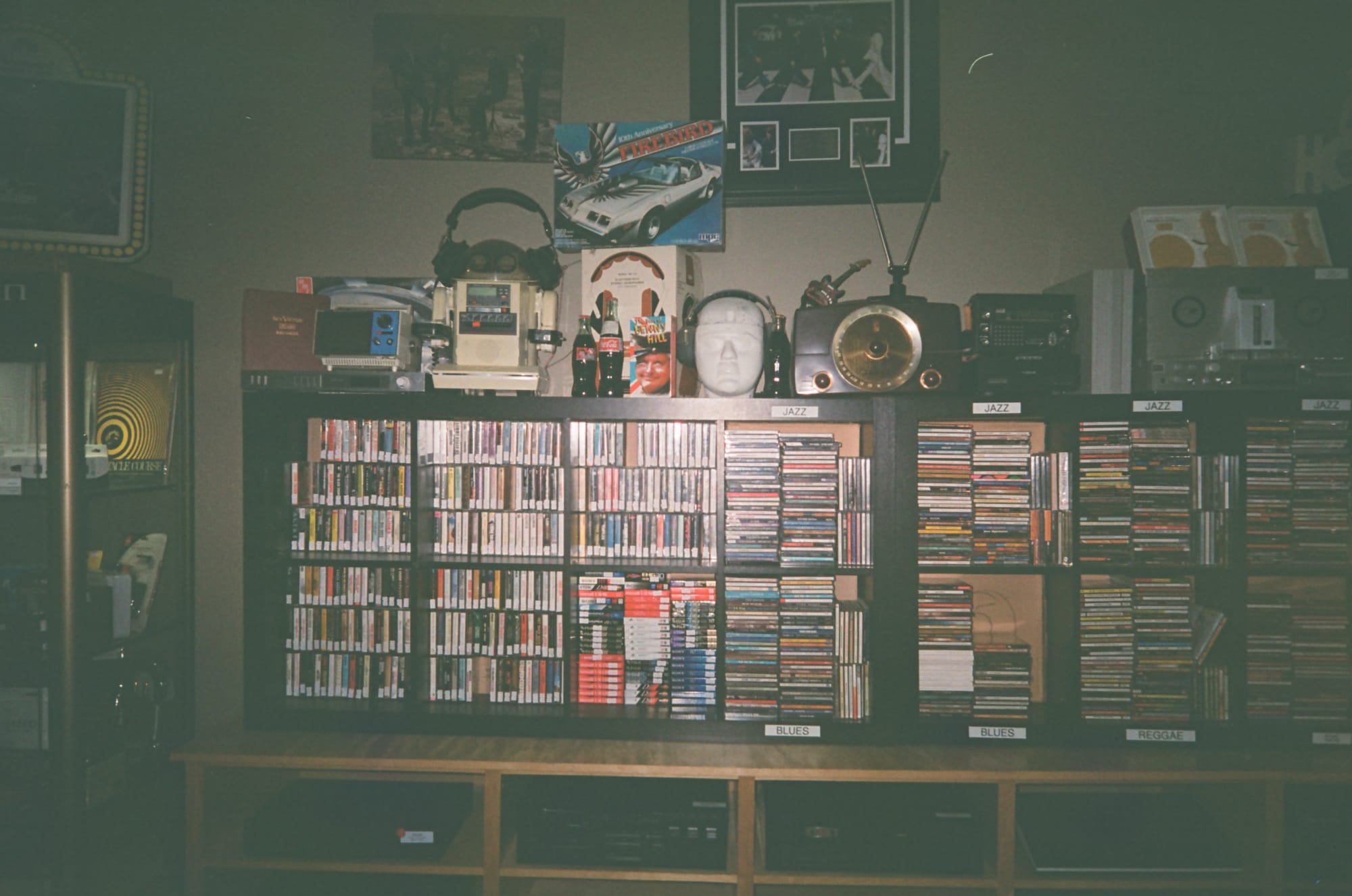
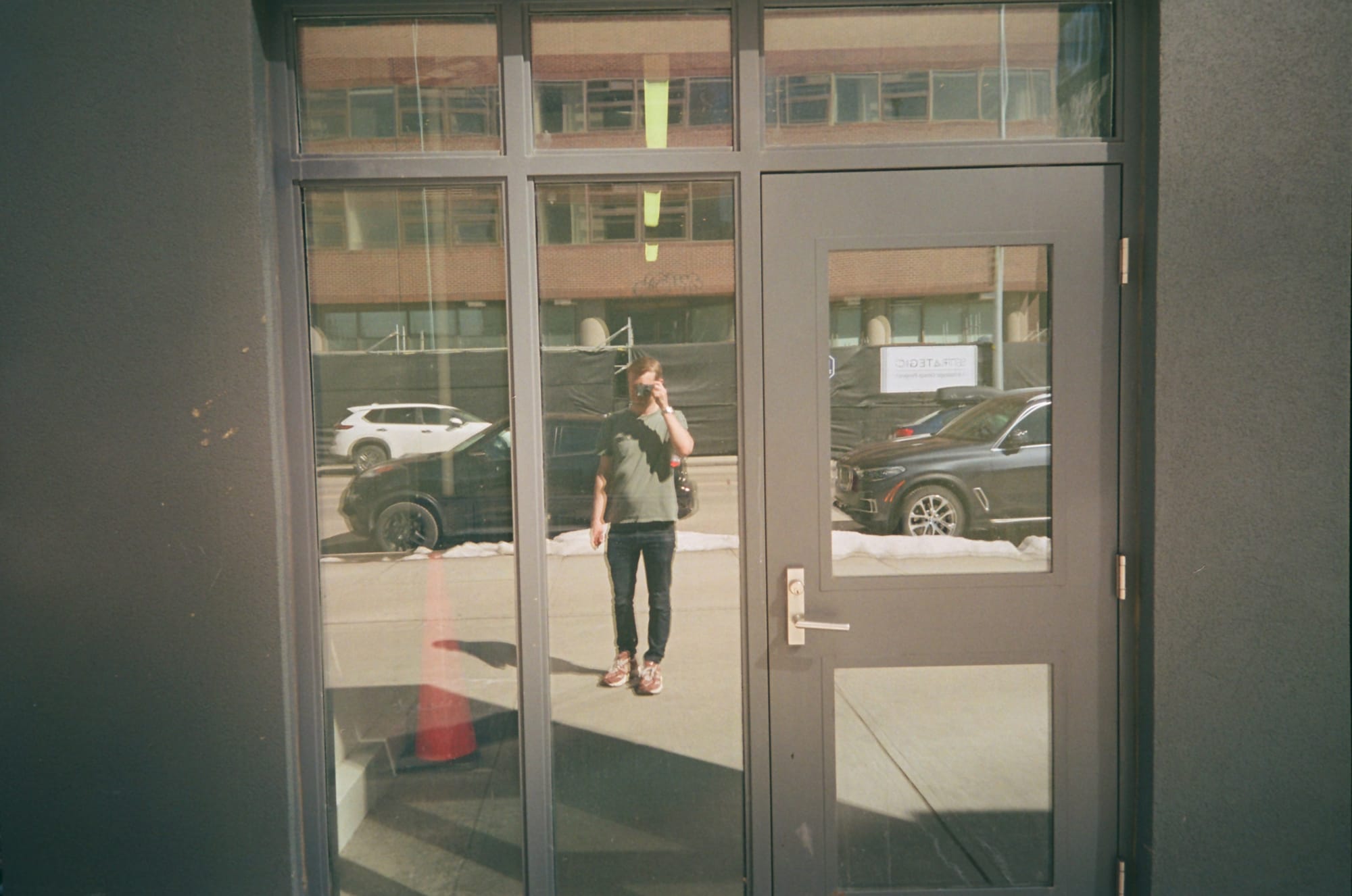
For this review I shot two rolls of Kodak Ultramax 400, and have decided not to do any editing whatsoever on the images so that you can judge the raw image quality for yourself. I took what I thought was a chance and had the film developed and scanned at London Drugs (essentially the CVS of Canada), and I was so pleased with the results that I'll be using them going forward. Not only was the film scanned on a Noritsu scanner (which is what I consider to be the premier scanner that outputs the most true to life and aesthetically pleasing interpretation of film), but they emailed the high resolution scans to me within a mere two hours of dropping off my rolls, with no fuss whatsoever. If you're in Western Canada I wholeheartedly recommend them for 35mm film development as they've upped their game considerably in the last few years.
Features & Design
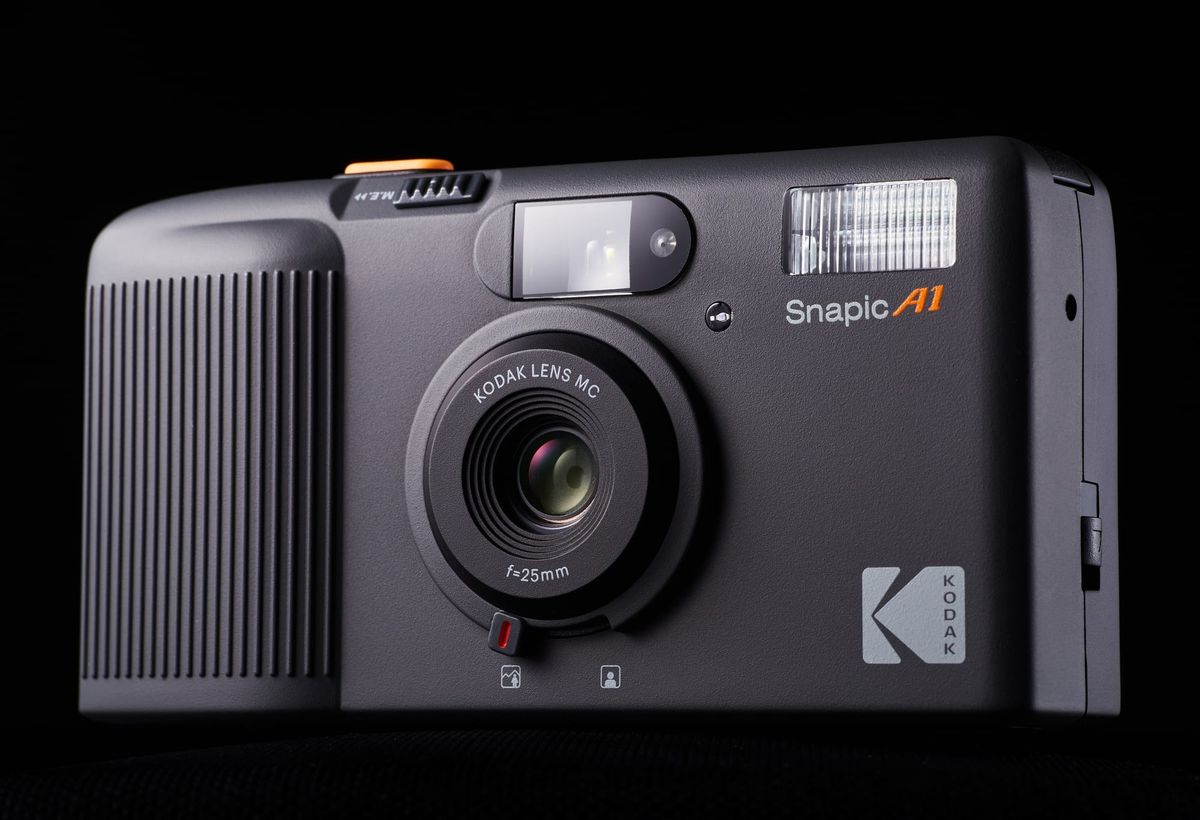
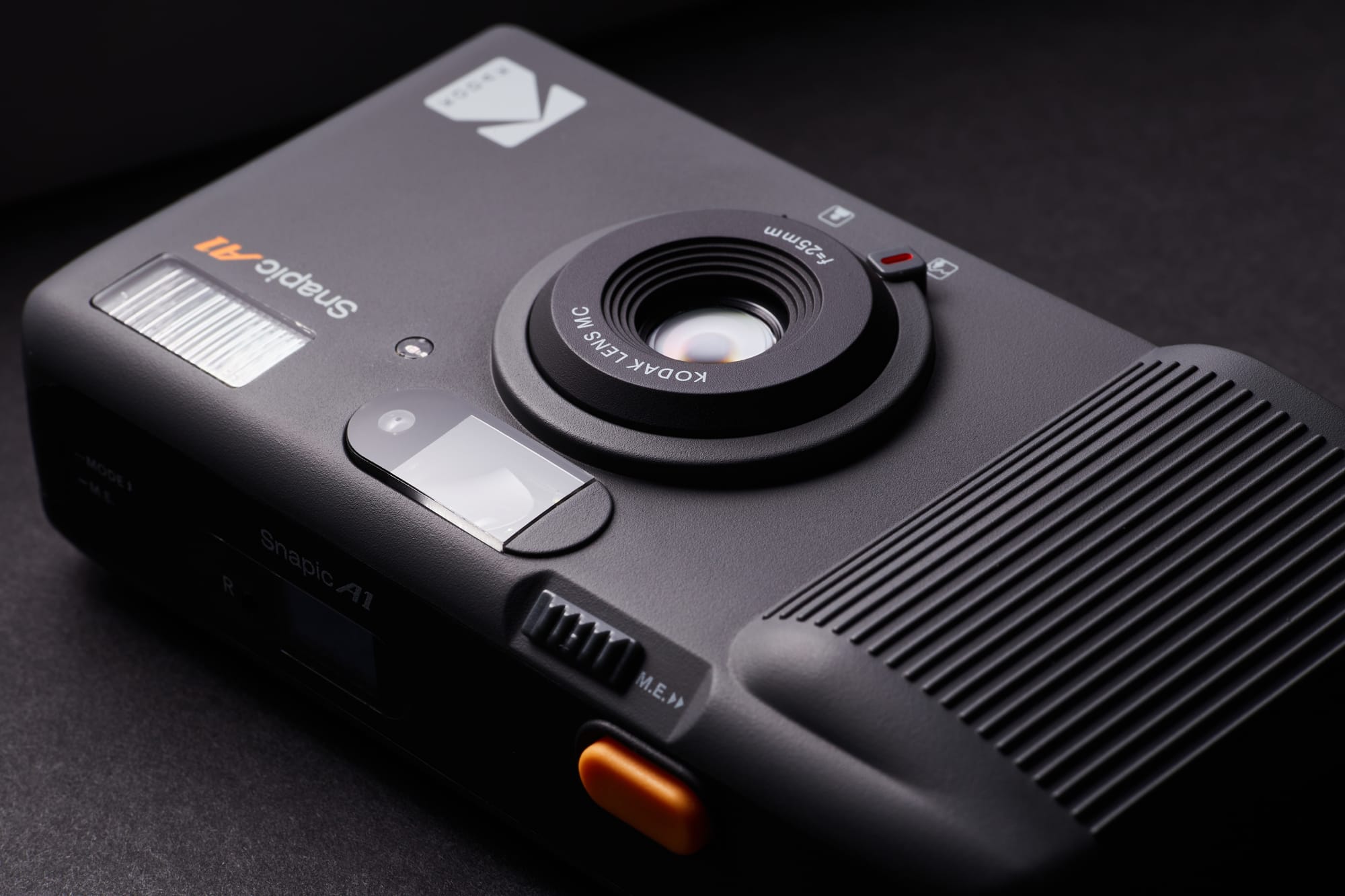
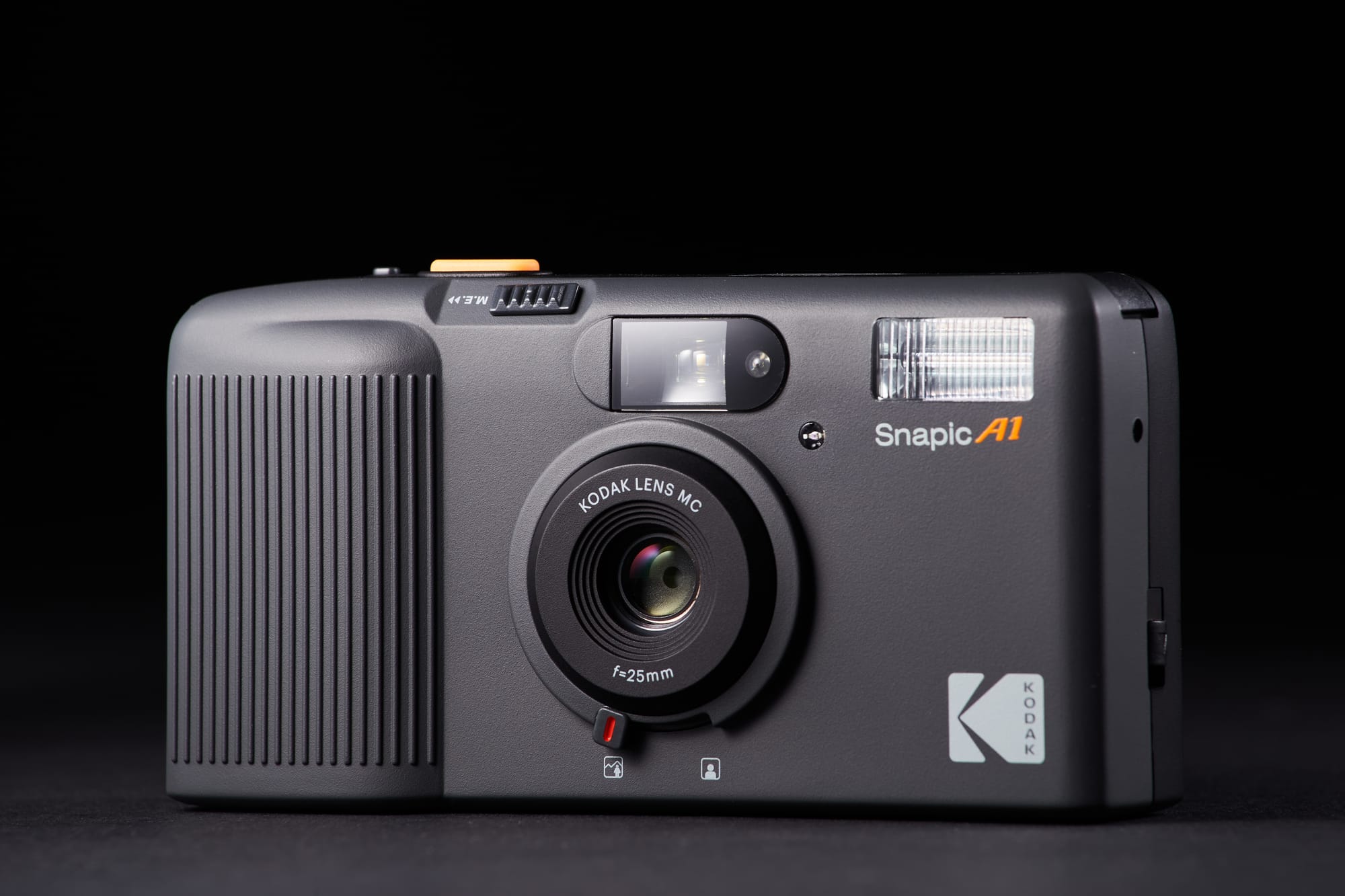
I have to give credit where it's due: The Kodak Snapic A1 is a seriously attractive little camera. We're talking Fujifilm X100 series good looks here; an object of desire that begs to be picked up and used to create. The clean aesthetic choices aren't just for show though, as every functional detail of the camera is well laid out, simple to understand via the use of easily decipherable icons, and intuitive to operate.
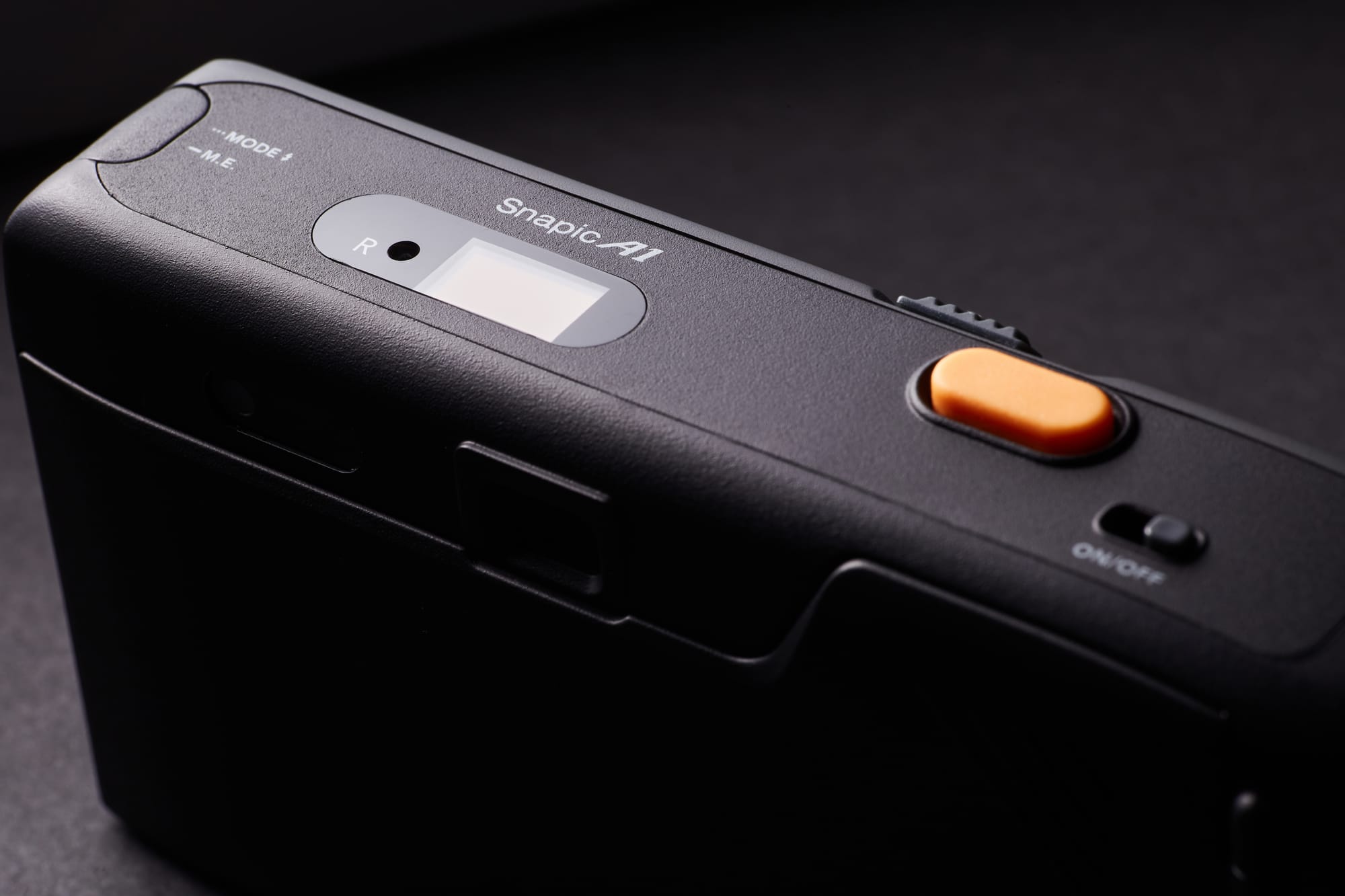
Being a predominantly electronic camera, it requires two AAA batteries to power on. Clearly it doesn't drain much energy because the battery level remained nearly full even after 64 images being shot, with many of them exposed using the optional on-camera flash. The other main electronic functions of the Kodak Snapic A1 include the convenient automatic film advance and rewind feature, as well as the OLED digital top display which has no business being this good for the asking price.
For such a small body, the camera packs a surprising amount of shooting options and every button to change modes provides satisfying tactile feedback. Directly under the lens are two zone focusing modes (closeup / portrait & landscape) to choose from, and the switch provides an audibly reassuring click into place so that there's no ambiguity about which mode you're currently in. There are three different flash modes available (red-eye reduction included), as well as a neat multi-exposure mode which allows you to shoot and combine two pictures onto a single frame.




There aren't any manual exposure controls on the Kodak Snapic A1, but to be honest I didn't miss them one bit. With a fixed shutter speed of 1/100 of a second and a constant f/9.5 aperture, it's sufficient to freeze most moments in daily life while keeping the focus sharp from the foreground to the back. In addition, the 25mm wide angle lens is a fixed focal length which means if you'd like to zoom in or out you'll be using your feet to do so.
The creative advantage of these mechanical constraints however, is that you're left with a shooting experience completely free from the distractions of technological paralysis. You don't need to worry about what aperture to shoot at or which lens to use because the decision has already been made for you. As a result, all of your attention is directed towards capturing the most interesting image possible and it's an incredibly liberating mindset to find yourself in.
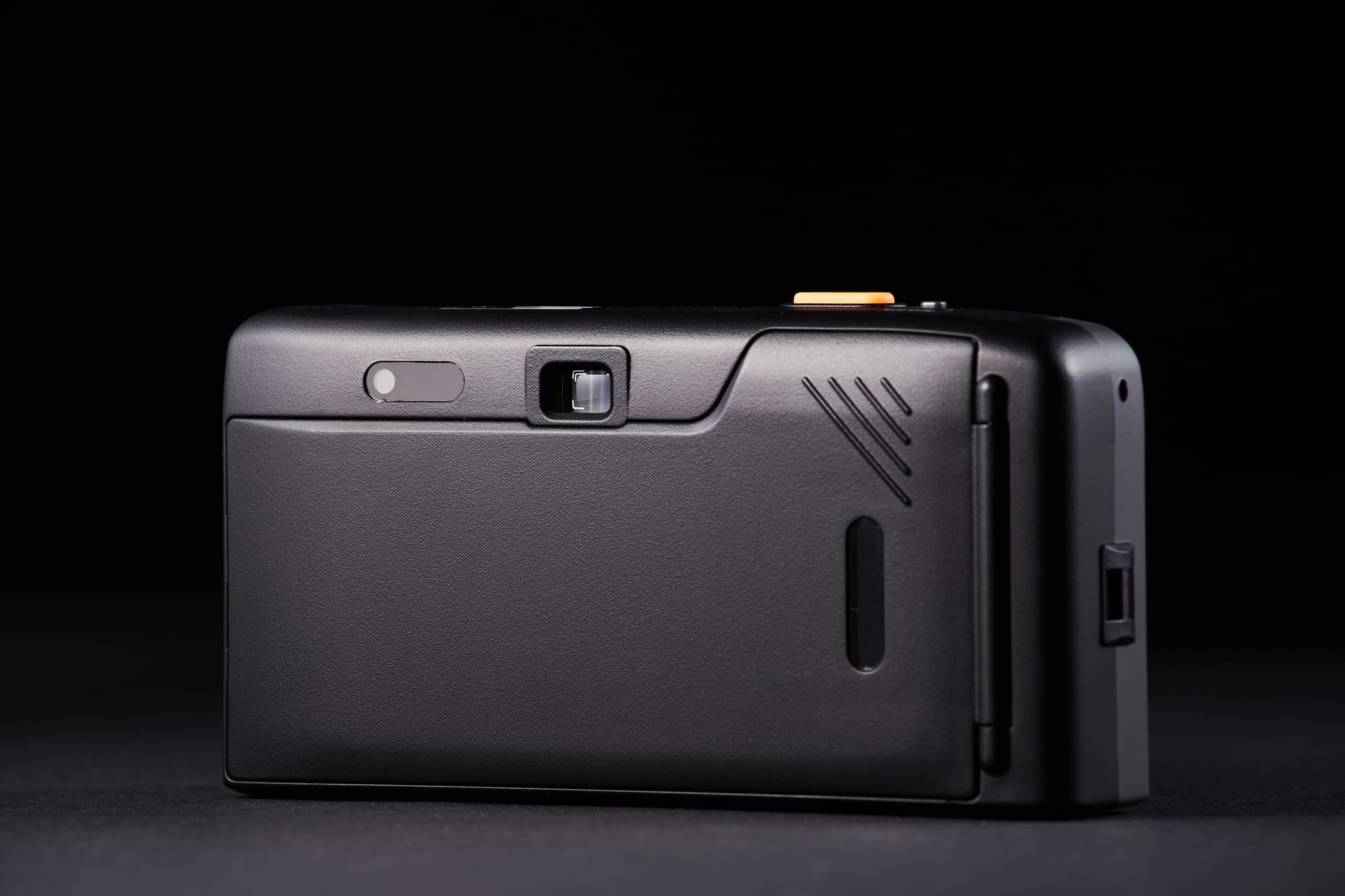
I wouldn't go as far to say that the build quality of the Kodak Snapic A1 is impressive, but at the same time it doesn't feel poorly made in any way. I like to think of this as more of a benefit than a liability, as the camera is incredibly lightweight and has a tiny form factor that nearly fits into the palm of your hand. In fact, its physical footprint is smaller than my iPhone which allows me to slip it in and out of my jacket pocket with ease. Naturally, this all makes for a camera that's characteristically unobtrusive and disarming; both of which are highly prized among street photographers.



In Use
As I already alluded to, the Kodak Snapic A1 is ultra discreet, and I'm honestly not sure if anyone even noticed that I was taking photos with a camera at all. No doubt that its pocketable size and stealthy black colorway both play a significant role here, but I suspect it's the whisper quiet shutter which produces almost no audible sound that allowed me to shoot almost entirely unnoticed by those in close proximity to me.
The fixed 1/100 shutter speed and f/9.5 aperture means that the camera requires a lot of light in order to properly expose an image. The ISO 400 film that I chose was perfect for outdoor situations, but most indoor use will require the use of the flash. And thankfully, the flash is not only excellent, I'd argue that it's one of the strongest reasons for owning this camera. Since the flash is on the same axis as the lens, the look that it produces is raw, candid, and effortlessly flattering for portraits.
The multi-exposure mode might be great, but from my brief time with it my experience wasn't anything to write home about. I say this because the cumulative effect simply wasn't nearly as apparent or impactful as I'd hoped. That said, with some experimentation and persistence I think it could yield some very interesting results.
This is certainly no fault of the camera, but I forgot to switch zone focus to the closeup mode on a couple of occasions. I ended up ruining a bunch of closeup food photos that would've turned out lovely otherwise, and was reminded the hard way that the camera requires you to be mindful of what subjects you're shooting at all times.





© Nicklaus Walter
After my frustrating experience with the camera shake induced "shutter shock" issues that plagued the Kodak Ektar H35, I was curious and perhaps even a little worried to find out if the Kodak Snapic A1 shared this same problem. Fortunately (and to my relief), I found no trace of camera shake anywhere in my images. Rather, the images have been consistently clear and sharp across all 64 frames that I shot.
At this point you may be wondering if there are any shortcomings at all. I did encounter one aggravating trait where, without warning, the camera shutter would freeze up temporarily for around 30 seconds to a minute before firing and continuing to function normally again. This happened so sporadically that it took me a while to figure out what was going on.
Eventually, I determined that it was my attempts to take photos in rapid succession that was causing the problem, and once I started to slow down my shots to once every 30 seconds or so the issue never appeared again. So while the Kodak Snapic A1 is indeed a fantastic camera, you'll want to select your decisive moments carefully.



Pros
- Beautiful layout & design
- Minimal learning curve
- Small & unobtrusive
- Shutter sound is whisper quiet
- OLED electronic top display is sharp, legible, and better than I expected
- Optical viewfinder is clear & bright
- Battery life is excellent
- Very affordable price point
- On-camera flash is flattering for portraits and offers a unique aesthetic to images in general
- Camera uses the full 35mm frame for maximum image quality
Cons
- Camera will occasionally freeze up temporarily if photos are taken in rapid succession
Verdict
For an affordable, fixed lens electronic 35mm film camera, the Kodak Snapic A1 is nearly perfect. Its super simple operation and beautiful design translates into a camera that's genuinely fun to use while also offering solid analog image quality which can't be replicated digitally. The pocketable form factor, whisper quiet shutter, and excellent on-camera flash only add to its appeal. Personally, this camera will be my go-to for documenting life's candid moments, when traveling, and even the occasional fashion photography project.
Those specifically looking for a camera that offers manual controls or interchangeable lenses should look elsewhere, and sometimes it doesn't perform well when attempting to shoot several frames in a row. But those use cases aside, the Snapic A1 is a wonderful camera that'll be easy for almost everyone to love. Kodak understood the assignment and got it right this time around.