A Review Of The Viltrox Vintage Z1 Pro On-Camera Flash
Those other flashes are certainly going to be more powerful, but the actual look of the image they produce is arguably inferior to the Vintage Z1 Pro.

Decaf Journal is reader-supported. When you buy links through our site, we may earn an affiliate commission.
On-camera flashes occupy an interesting space within the world of photography equipment at present. Decades ago, when analog film companies such as Kodak and Fujifilm were still rapidly in the process of improving the light sensitivity of their film stocks, onboard flash photography was practically a necessity if you wanted to take pictures in less than ideal lighting environments. But with the once considered astounding low light capabilities of modern digital cameras having become a commonplace expectation, on-camera flash photography has been relegated to something of an underappreciated lost art among professionals and enthusiasts alike.
For example, while it used to come standard on all entry level and "prosumer" bodies, none of the cameras currently in my possession have a built-in flash. This hasn't been an issue for me personally, as I most often light my images with off-camera studio strobes that are triggered by radio transceivers. The reason being is that when you remove the flash from the camera and instead place it on a light stand, you unlock powerful capabilities to shape light in interesting and unexpected ways à la the Strobist philosophy.
And yet, when used under the right circumstances, on-camera flashes have the ability to add a crisp nostalgic aesthetic that's been largely lacking from the images that most of us take these days. I find myself feeling a sense of delight when seeing a thoughtfully executed on-camera flash photo, so it was an easy yes when Viltrox asked if I'd like to try out their newly released Vintage Z1 Pro flash. With that in mind, the two questions I set out to answer in my testing are (1) how does it perform, and more importantly, (2) who is it for?
Features & Design
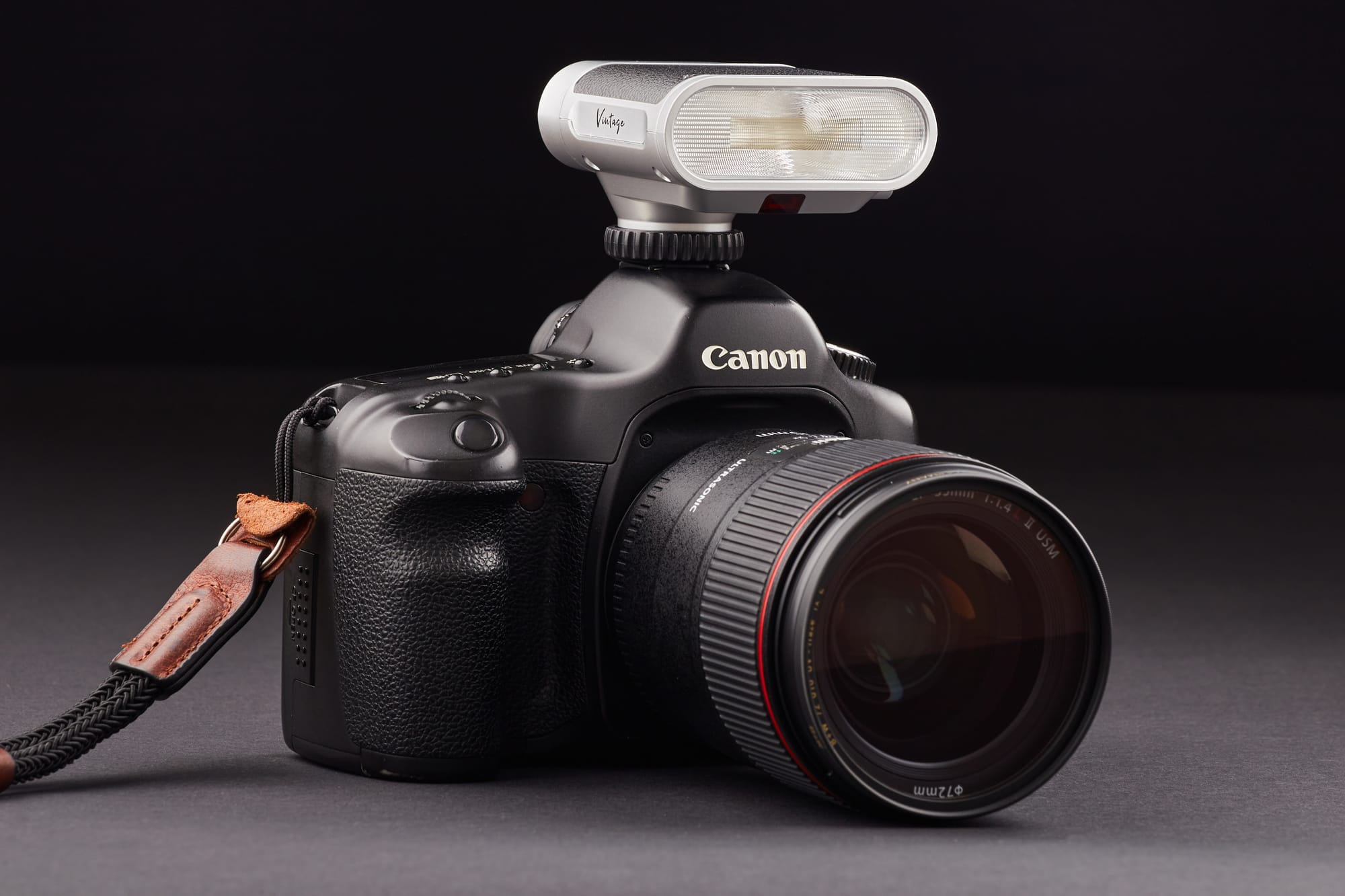
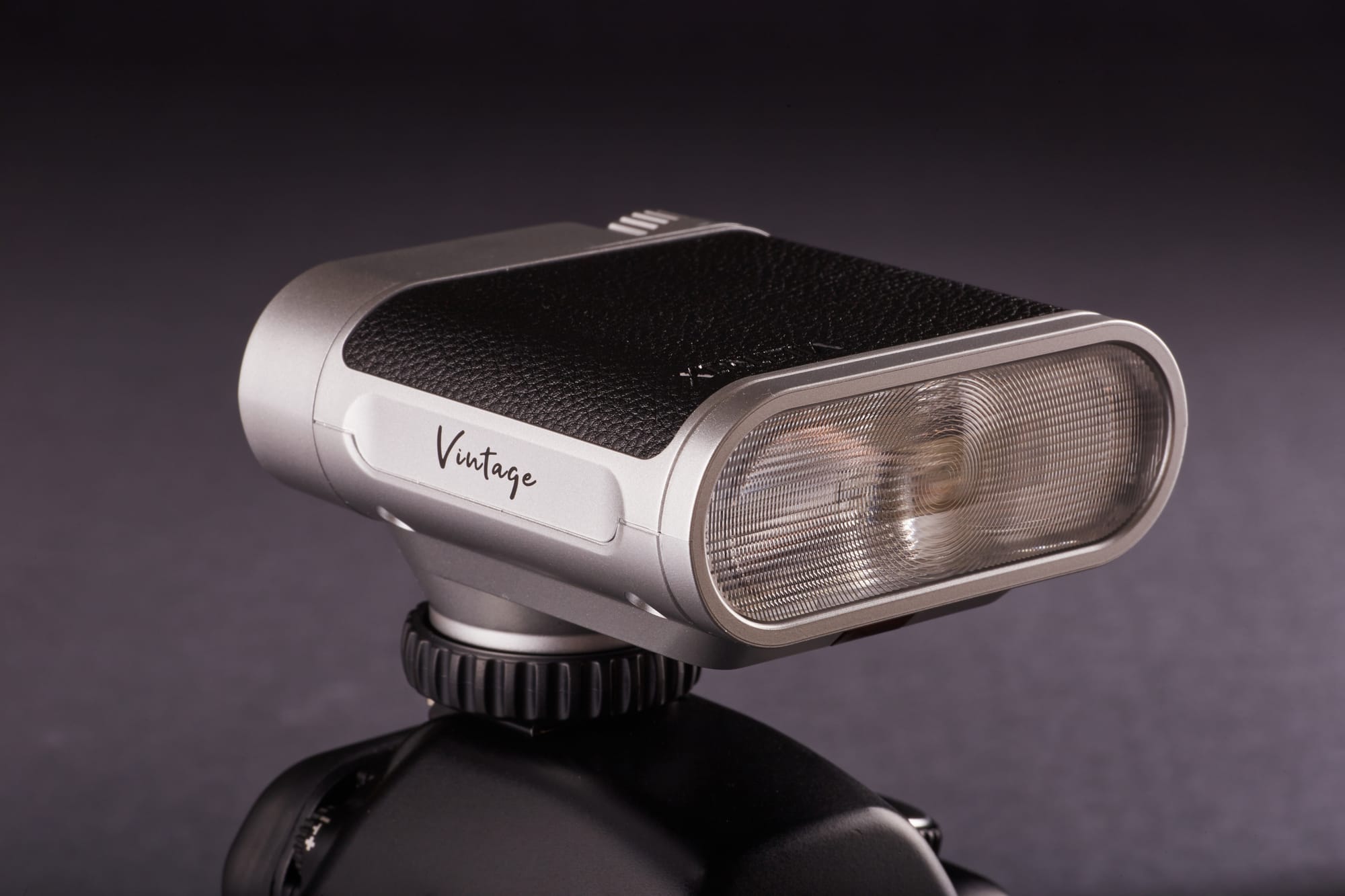
The Vintage Z1 Pro is easy to like at first sight and I think Viltrox nailed the styling here (it looks downright classy) without going too far into cliche retro territory. The construction of the flash unit is tightly assembled with every button and switch providing just the right amount of feedback. It's not rugged or overbuilt compared to some higher end flashes on the market, but there isn't a single aspect of its build quality that feels cheap.
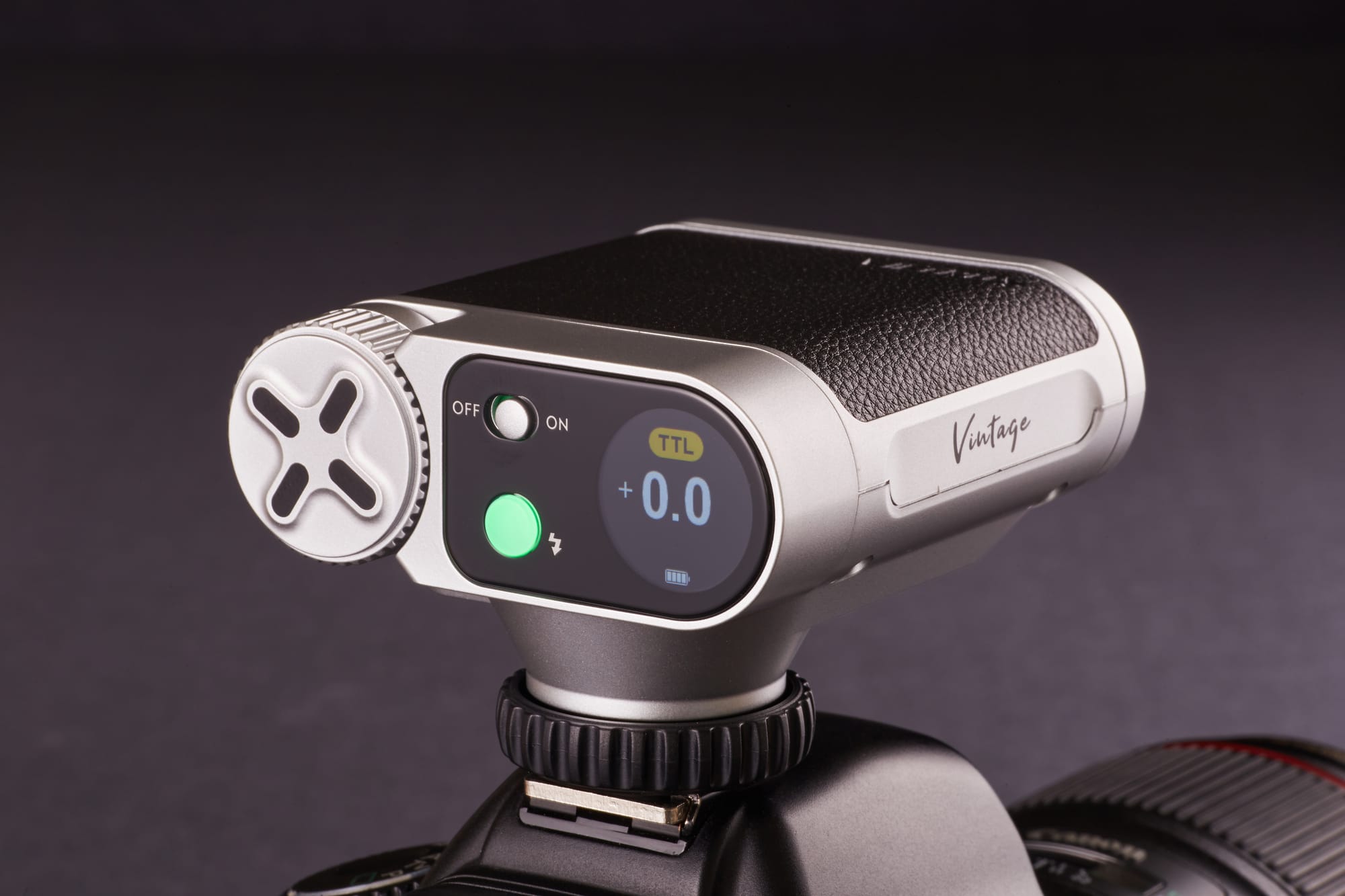
In terms of its functionality, the flash's feature set includes an automated TTL (through the lens) mode with the ability to increase or decrease the power output by up to 3 stops of over or underexposure in 1/3 stop increments. Simply press the control dial inward and the flash will change to manual mode, which ranges from 1/64th to 1/1 full power, again in 1/3 stop increments with the turn of the control dial. Directly on the back of the flash we find an on / off switch, as well as a test button that fires the flash at its current power output.
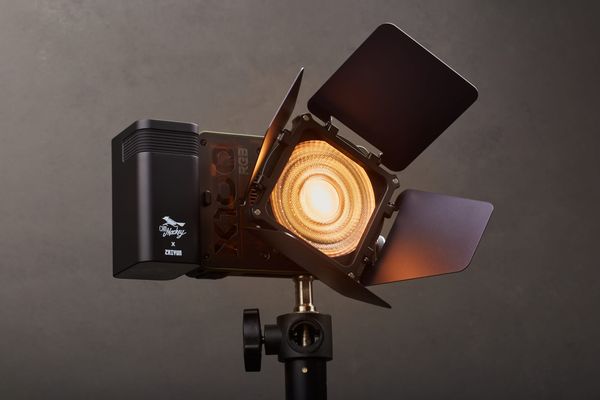
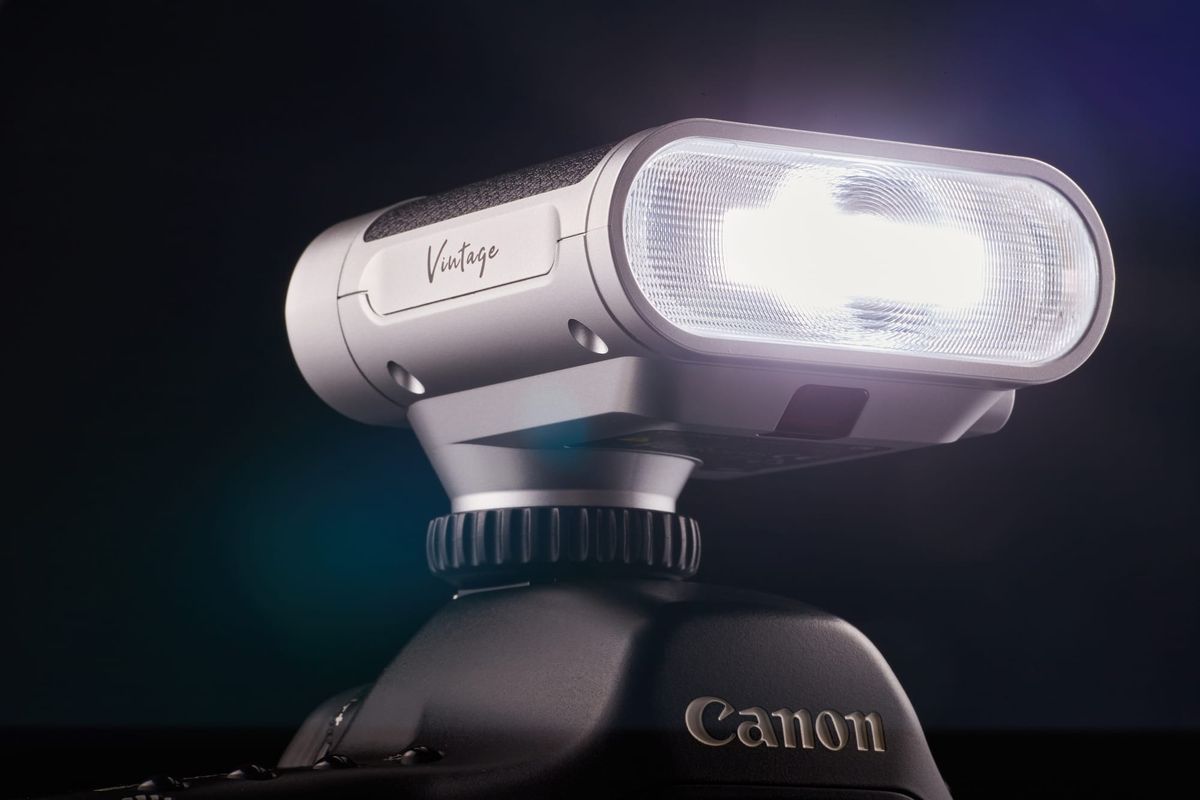
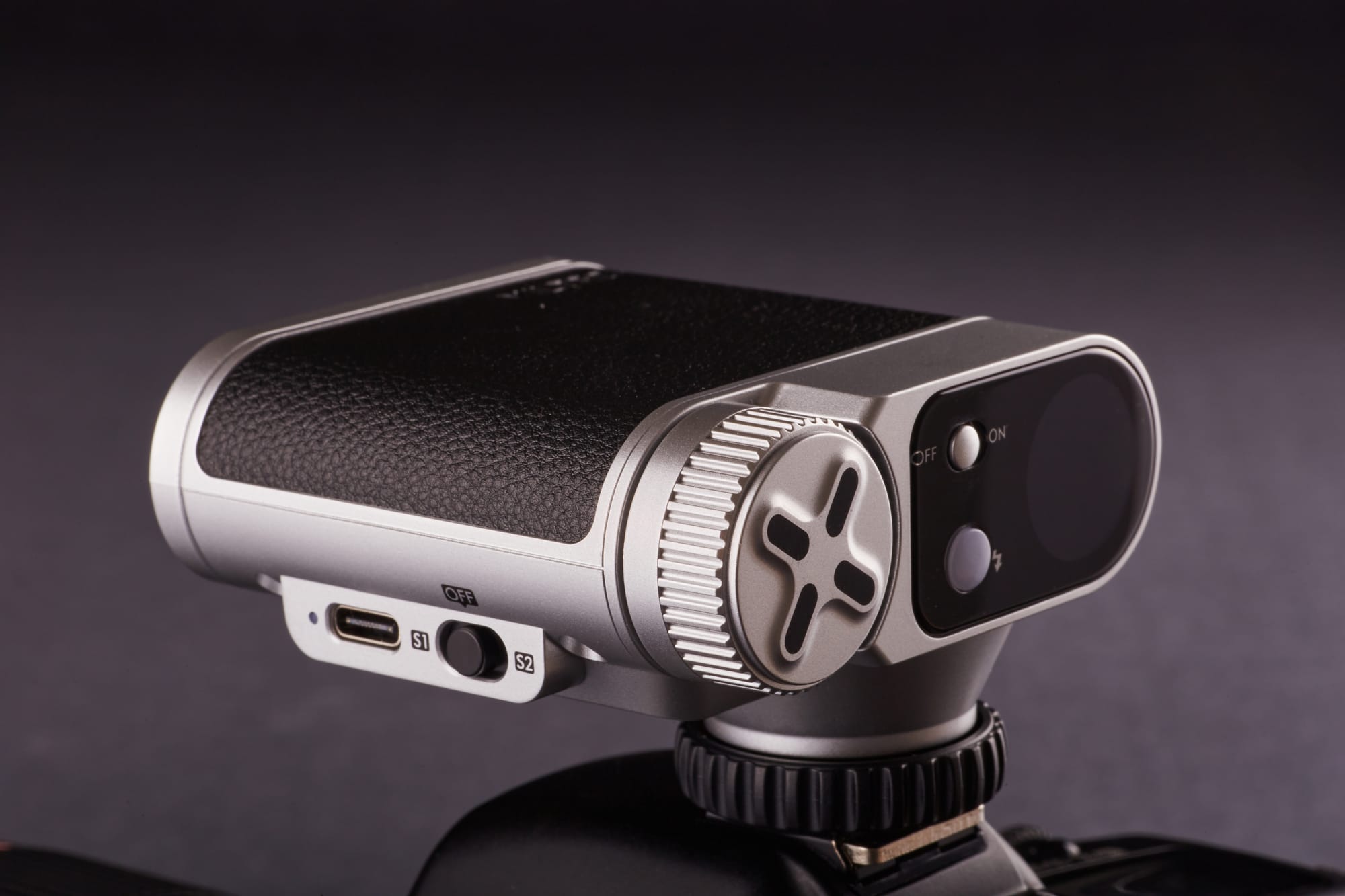
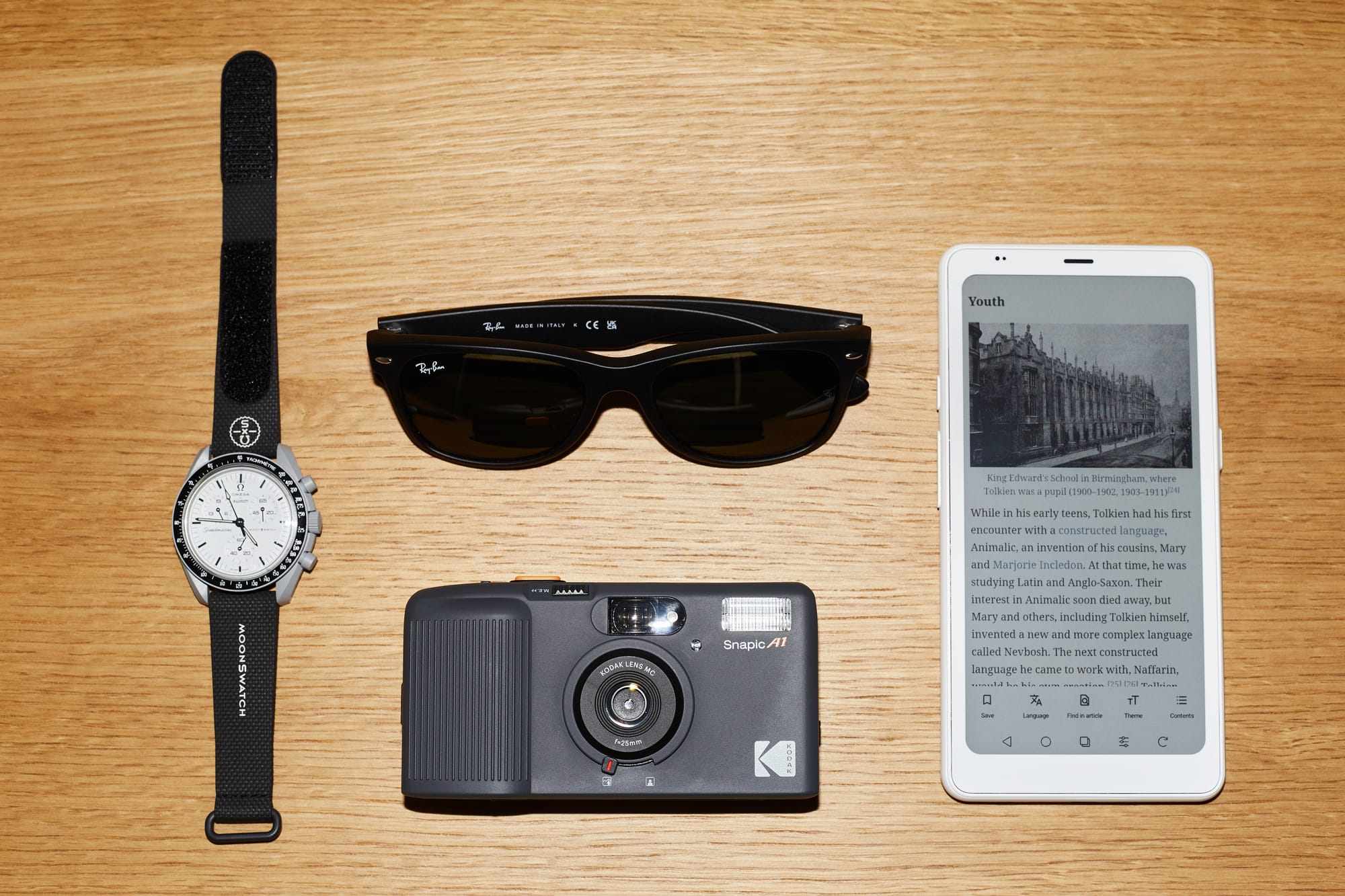
On the side of the unit is a USB-C port for charging the internal battery. This came as a pleasant surprise to me, as all of the on-camera flashes I've used in the last 20 years have required four AA batteries which can be a real pain at times. Next to the charging port is a switch that enables the S1 and S2 optical slave modes, and these allow the flash to sync wirelessly with other external flashes. I actually enabled the S1 mode to capture the opening image in this article, as two other external flashes were used to light the Vintage Z1 Pro while it simultaneously fired its own flash in response (pretty neat).
Let's talk about compatibility for a moment. The Viltrox Vintage Z1 Pro is compatible with most Canon EOS cameras, but not all. I initially tried to use the flash with my Canon 5D Classic circa 2005, but the flash wouldn't interface with the camera body. I was however, able to use it successfully with my more recent (though still ancient by today's standards) Canon EOS 6D. Unfortunately, even though the Vintage Z1 Pro does offer high speed sync (HSS) as part of its feature set, my 6D body simply doesn't have a way to enable it.

In Use
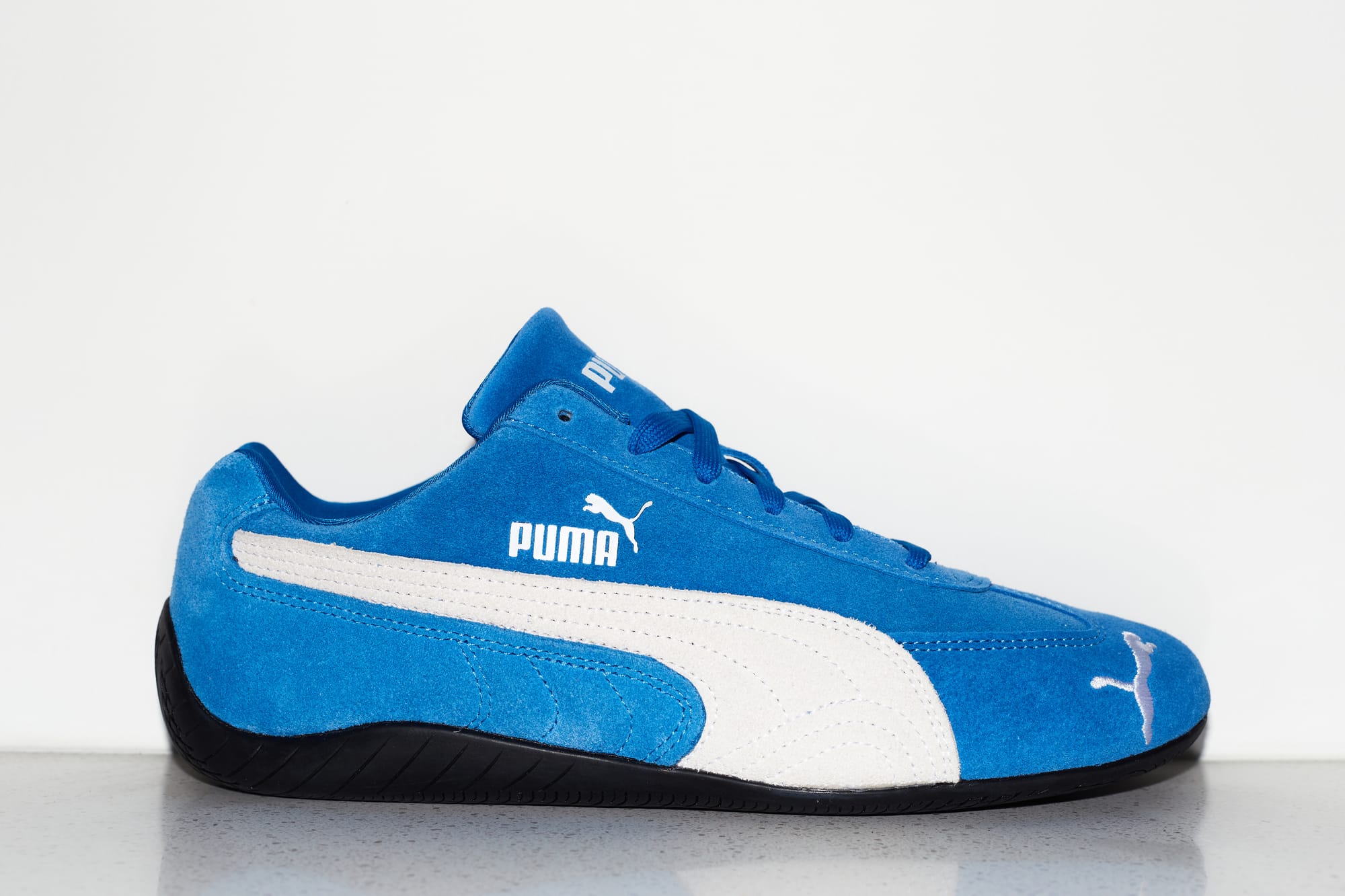
One of my favorite aspects of the Viltrox Vintage Z1 Pro is its compact nature. This not only allows it to be disarming, but there's also another major benefit that is easily overlooked. You see, the closer a flash is in relation to the axis of a camera's lens, the more flattering "high fashion" aesthetic it's going to render for portraits. Looking at the design of the Vintage Z1 Pro, you'll notice that it physically sits noticeably lower on a camera than the high end flashes from Canon, Nikon, and the like. Those other flashes are certainly going to be more powerful, but the actual look of the image they produce is arguably inferior to the Vintage Z1 Pro.
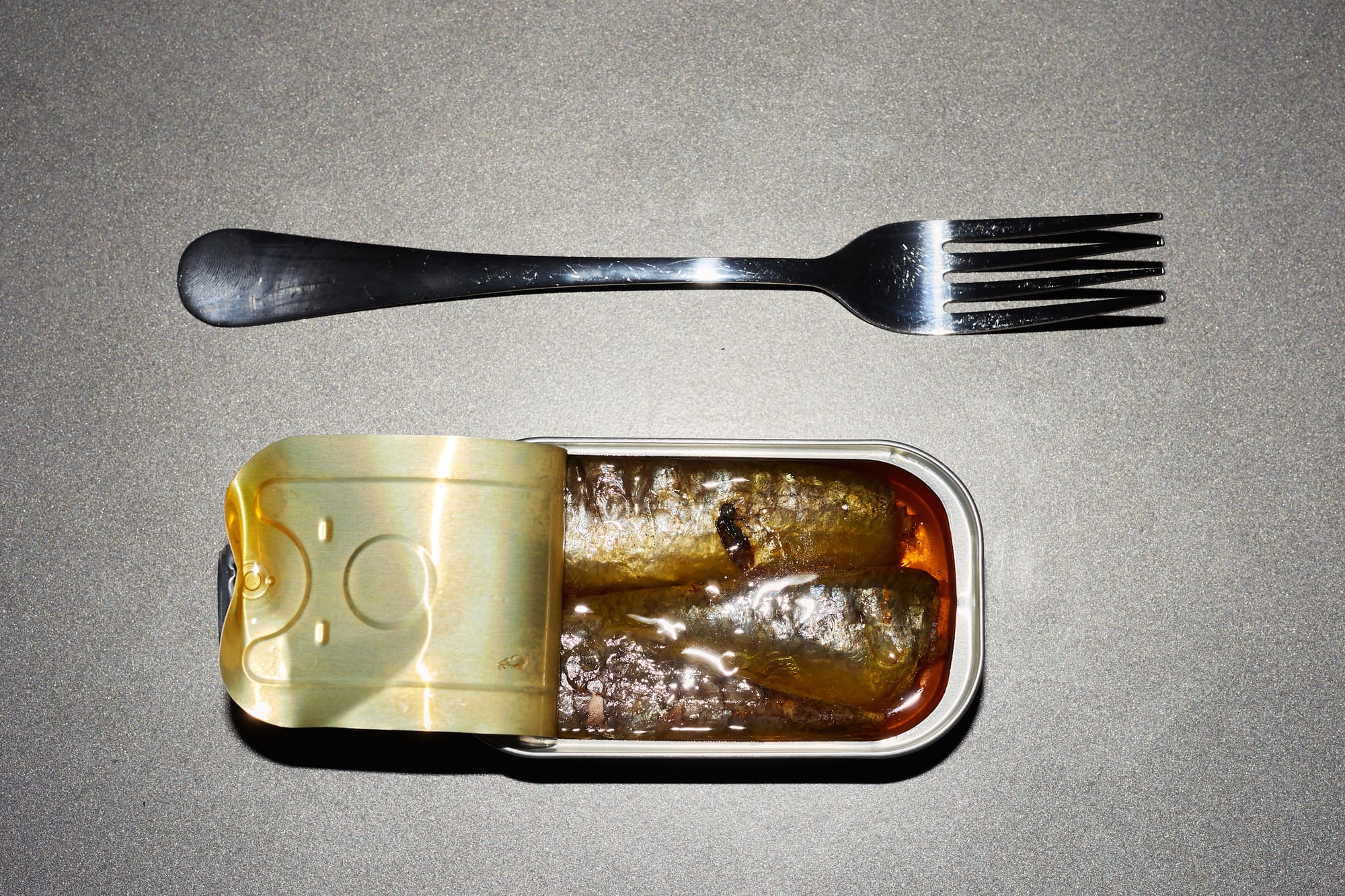
When using TTL mode, I noted how accurate the flash is when it comes to consistently producing a correct exposure and it felt seamless to increase or decrease the flash's output using the control dial depending on my taste. I also found that the color output of the flash to be clean, consistent, and neutral. If you're someone who shoots with strobes frequently, you'll no doubt appreciate how important dependable color output is, especially when it comes time to edit a batch of photos.
Although TTL mode has its advantages, I most often shot Viltrox Vintage Z1 Pro in Manual mode where I had full control of its power settings. Despite its modest size, this flash is surprisingly powerful when used at 1/1 output. This is also where I discovered my biggest frustration, as I found that the flash will begin to misfire if used at full power for long periods of time even if the battery is at its maximum charge, perhaps due to overheating. I was able to remedy this easily enough by turning the camera off and then on again, and taking frequent breaks between bursts of shooting at full power, but sadly this does limit its overall versatility.
Speaking of the battery, after shooting for a couple of hours at 1/2 and 1/1 power in Manual mode, the remaining charge was already reduced to 50% capacity. This leads me to the conclusion that the battery life is going to be serviceable for most applications, but not intended for heavy professional use such as at a corporate event or if you're the primary photographer at a wedding.


Pros
- Attractive retro design
- Simple & intuitive menu system
- Compact & lightweight
- Battery charges via USB-C
- Optical slave modes allow for the flash to be used off camera when triggered by other flashes
- TTL mode delivers consistently reliable exposures
- Flash sits closer to the axis of the camera lens than other high-end speedlights, resulting in more flattering portraits
- Manual mode provides impressive power output given its small size
- Excellent neutral color accuracy
- Very affordable price point
Cons
- Flash sometimes misfires in Manual mode when used for prolonged periods of time at full power
- Battery life is adequate rather than impressive
- Not compatible with older Canon EOS cameras such as the 5D Classic
- High speed sync not available with the Canon EOS 6D
Verdict
Using the Viltrox Vintage Z1 Pro is truly the most fun I've had with my camera in recent memory. I found the way it renders images to be quite pleasing, its menu system is easy to navigate without having to dig through a manual, and it just gets out of your way the majority of the time. It's also incredibly well priced for everything that it offers, all in an ultra compact form factor that won't be a hindrance to your existing setup.
Battery life could be improved, and the fact that it suffers from the occasional misfire at full power does limit its usefulness in a professional setting, but don't let that deter you. The Viltrox Vintage Z1 Pro is a great option for anyone looking to add a classic on-camera flash aesthetic to their creative arsenal, and one that often punches above its weight compared to much larger and more expensive speedlights.